Pool Volume
Gallons by shape and depth — every dose below depends on getting this right first.
Pool volume is the input to every dose, every heater calculation and every running-cost figure on this site. It is also, for most pools, a number nobody has ever actually measured.
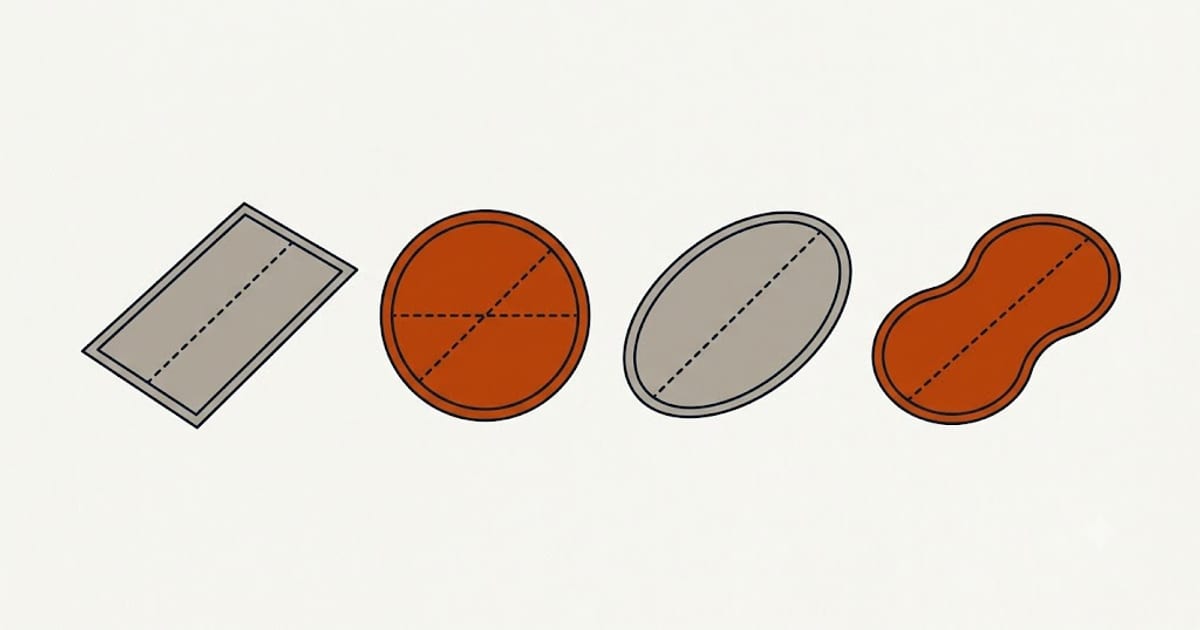
The shapes
Rectangle — length × width × average depth × 7.48. Round — π × radius² × average depth × 7.48. Oval — π ÷ 4 × length × width × average depth × 7.48.
7.48 gallons per cubic foot is a conversion, not an estimate, and it is where a surprising number of hand calculations go wrong by finishing in cubic feet and calling them gallons.
Average depth is where the error lives
On a floor that slopes evenly from shallow to deep, average depth is (shallow + deep) ÷ 2 and it is exact.
On anything else it is not. A pool with a flat shallow end, a short slope and a flat deep end is three sections, and the honest way to handle it is to measure each section's length and average it by length rather than by endpoint:
(L₁ × d₁ + L₂ × d̄₂ + L₃ × d₃) ÷ (L₁ + L₂ + L₃)
A typical 16 × 32 pool with a 4 ft shallow end running 18 ft, an 8 ft slope, and a 6 ft deep end for the last 6 ft averages 4.9 ft — not the 5.0 ft the endpoint formula gives, and not the 5.5 ft most owners guess.
Kidney and freeform
Split the shape into a rectangle and one or two segments, or use the rough approximation: length × average width × average depth × 7.48 × 0.85. The 0.85 accounts for the curved perimeter. It is good to about 5%, which is better than the brochure.
Why the brochure number is wrong
Manufacturers publish the volume of the shell to the coping, and a pool runs at mid-skimmer — three to six inches below it. On a 16 × 32 pool, six inches of water is 1,900 gallons, about 10% of the total.
That single 10% is why a pool "shocked to 10 ppm" from a brochure figure often lands nearer 11, and why liquid chlorine, dosed by the same wrong number all season, keeps overshooting slightly in the same direction.
Measure once, write it on the equipment pad
In marker, on the filter. Every chemical decision for the life of the pool reads from this one number, and the only thing worse than not having it is having two of them.
5 articles
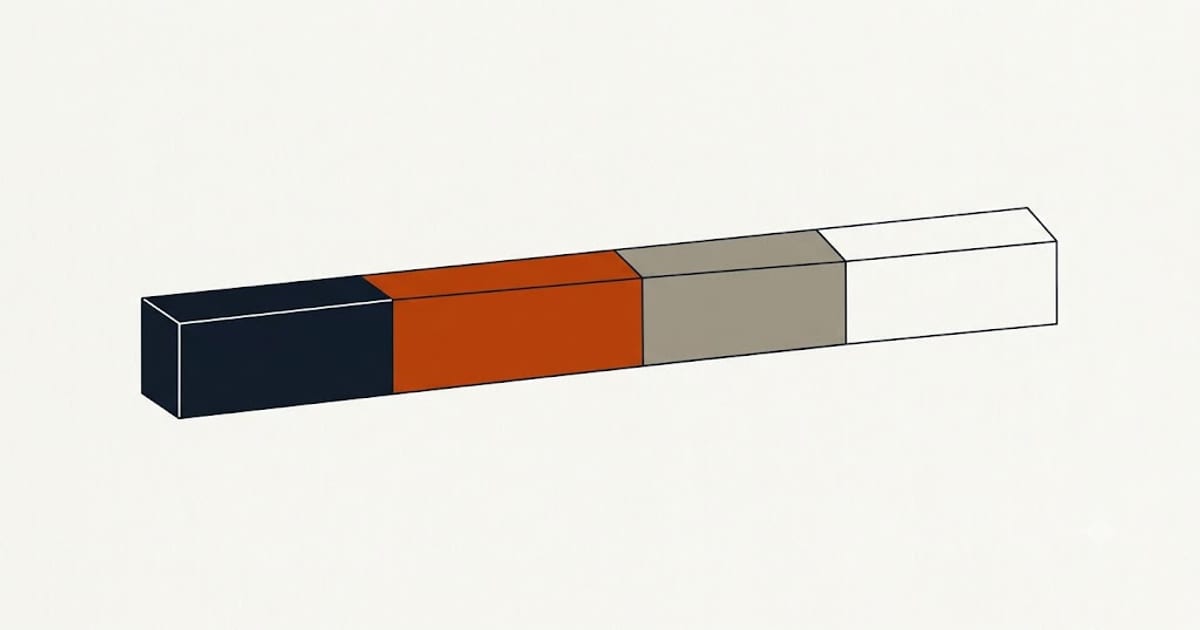 Pool Chemical Cost per Year, Broken Down by Volume
Most of a chemical bill is chlorine, and most of the chlorine is being destroyed by sunlight rather than by anything in the water.
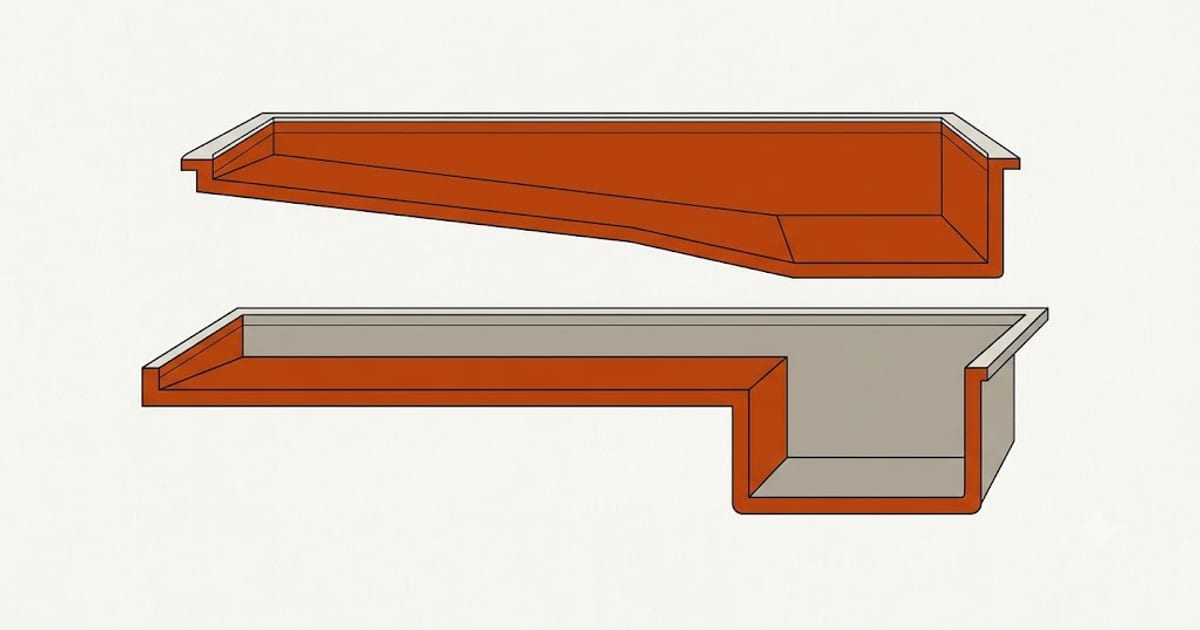 Average Depth of a Sloped Pool: When the Simple Average Is Wrong
A pool with a long flat shallow end and a small deep hopper can be 20 percent smaller than the simple average says.
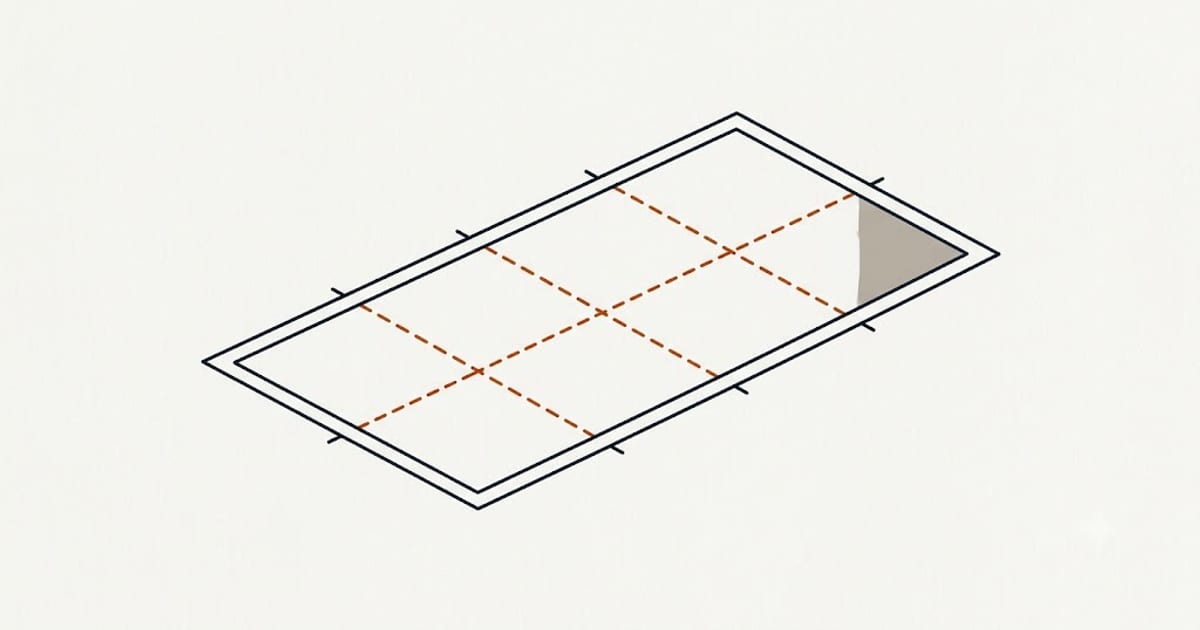 How to Measure a Pool You Inherited, Without Draining It
You bought the house, not the drawings. Here is how to get a volume you can trust in about twenty minutes, and a way to verify it that does not care about shape at all.
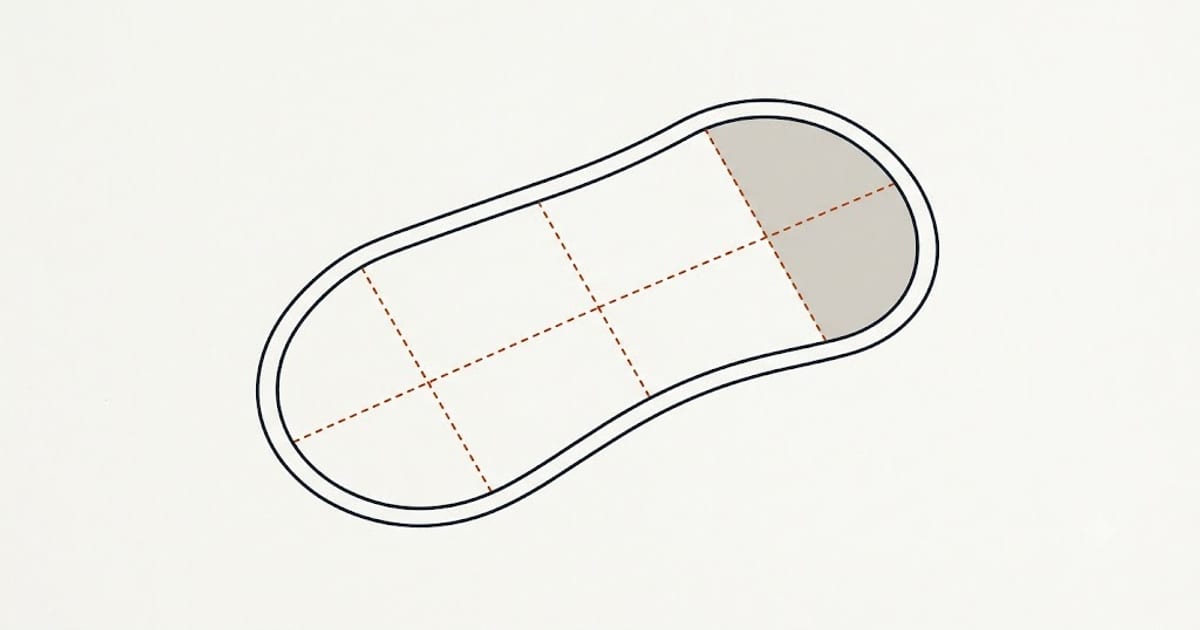 Pool Volume for Oval, Kidney and Freeform Shapes
A rectangle is arithmetic. Everything else is a choice between a formula that is close and a method that is exact, and for dosing purposes close is usually enough.
 How to Calculate Pool Volume in Gallons — the Number Every Dose Multiplies
Get the gallons wrong by a fifth and every dose for the life of the pool is wrong by a fifth, in the same direction, forever.