pH, Alkalinity & Hardness
Doses to move each one, and the order to move them in.
Balancing pool water is three adjustments in a fixed order, and the order matters more than the doses.
Alkalinity first. Then pH. Then calcium hardness.
Total alkalinity is the buffer that holds pH steady. Adjust pH while alkalinity is out of range and the alkalinity simply pulls pH back where it was — and you will spend a fortnight chasing your own tail with a test kit.
Target ranges
Total alkalinity 80–120 ppm. pH 7.2–7.8. Calcium hardness 200–400 ppm.
Everything drags something else with it
Sodium bicarbonate raises alkalinity and nudges pH up. Soda ash raises pH and takes alkalinity with it. Muriatic acid lowers both — it neutralizes bicarbonate, and bicarbonate is most of what total alkalinity measures.
Which is why "high pH with low alkalinity" cannot be fixed with a single chemical. The fix is aeration, which drives pH up without touching alkalinity, then bicarbonate, repeated.
Never mix, always wait
One chemical at a time, hours apart, pump running. Muriatic acid and chlorine together produce chlorine gas, and people are hospitalised by that every summer.
Retest after a full turnover — six to eight hours on most residential pumps. A reading taken ten minutes after dosing tells you about the water beside the return jet.
Move in halves
Add half the calculated dose, wait a turnover, test, add the rest. Overshooting alkalinity or hardness is far harder to undo than undershooting, because both come down only by draining and refilling.
Hardness is a one-way street
It never leaves the water except by dilution, and too much of it scales the heater, the tile line and the filter. If you are at the top of the range already, do not add more "for safety".
4 articles
Adjusting a 18 × 36 ft oval pool: pH up by 10
| Dose | 571.07oz |
|---|---|
| Pool volume36 × 18 ft oval, 4–6 ft deep (avg 5 ft) | 19,036gallons |
| Change requestedpH | 10 |
| Standard ratemoves 0.2 pH | 6 oz per 10,000 gal |
| Target range | 7.2–7.8 |
| Side effect | raises total alkalinity at the same time |
| — Order of operations — | |
| 1. Total alkalinitythe buffer — set this first or pH will not hold | 80–120 ppm |
| 2. pHadjust only after alkalinity is in range | 7.2–7.8 |
| 3. Calcium hardnesslast, and it only goes up | 200–400 ppm |
Notes
- Order matters more than dose. Alkalinity first, then pH, then hardness. Total alkalinity is the buffer that holds pH steady — adjust pH while alkalinity is out of range and the alkalinity will simply pull pH back where it was, and you will spend a fortnight chasing it.
- Soda ash (sodium carbonate) raises total alkalinity at the same time.
- Add it slowly with the pump running, and never mix chemicals in the same bucket — muriatic acid and chlorine together produce chlorine gas, and people are hospitalised by that every summer. One chemical at a time, hours apart.
- Retest after a full turnover, not after ten minutes. Most residential pumps take 6–8 hours to turn the water over once, and a reading before that tells you about the water near the return jet.
- Move in steps. This dose changes 10 pH units; if you need more than that, add half, wait a turnover, test, and add the rest. Overshooting alkalinity or hardness is far harder to undo than undershooting — both only come down by draining and refilling.
- Test with a decent kit rather than strips for anything you are dosing off. Strips are fine for a daily glance and poor for arithmetic.
pH, alkalinity and hardness
500 calculations · browse all
- Adjusting a 12 ft round pool: alkalinity up by 2
- Adjusting a 12 ft round pool: pH down by 2
- Adjusting a 15 ft round pool: alkalinity up by 2
- Adjusting a 15 ft round pool: pH down by 5
- Adjusting a 18 ft round pool: alkalinity up by 5
- Adjusting a 18 ft round pool: pH down by 10
- Adjusting a 21 ft round pool: alkalinity up by 10
- Adjusting a 21 ft round pool: pH down by 10
- Adjusting a 24 ft round pool: alkalinity up by 20
- Adjusting a 24 ft round pool: pH down by 20
- Adjusting a 27 ft round pool: alkalinity up by 40
- Adjusting a 27 ft round pool: pH down by 40
- Adjusting a 30 ft round pool: pH up by 2
- Adjusting a 30 ft round pool: hardness up by 2
- Adjusting a 33 ft round pool: pH up by 2
- Adjusting a 33 ft round pool: hardness up by 5
- Adjusting a 12 × 24 ft oval pool: pH up by 5
- Adjusting a 12 × 24 ft oval pool: hardness up by 10
- Adjusting a 15 × 30 ft oval pool: pH up by 10
- Adjusting a 15 × 30 ft oval pool: hardness up by 10
- Adjusting a 16 × 32 ft oval pool: pH up by 20
- Adjusting a 16 × 32 ft oval pool: hardness up by 20
- Adjusting a 18 × 33 ft oval pool: pH up by 40
- Adjusting a 18 × 33 ft oval pool: hardness up by 40
- Adjusting a 18 × 36 ft oval pool: pH down by 2
- Adjusting a 20 × 40 ft oval pool: alkalinity up by 2
- Adjusting a 20 × 40 ft oval pool: pH down by 2
- Adjusting a 10 × 20 ft rectangular pool: alkalinity up by 5
- Adjusting a 10 × 20 ft rectangular pool: pH down by 5
- Adjusting a 12 × 24 ft rectangular pool: alkalinity up by 10
- Adjusting a 12 × 24 ft rectangular pool: pH down by 10
- Adjusting a 14 × 28 ft rectangular pool: alkalinity up by 10
- Adjusting a 14 × 28 ft rectangular pool: pH down by 20
- Adjusting a 15 × 30 ft rectangular pool: alkalinity up by 20
- Adjusting a 15 × 30 ft rectangular pool: pH down by 40
- Adjusting a 16 × 32 ft rectangular pool: alkalinity up by 40
- Adjusting a 16 × 32 ft rectangular pool: hardness up by 2
- Adjusting a 16 × 36 ft rectangular pool: pH up by 2
- Adjusting a 16 × 36 ft rectangular pool: hardness up by 2
- Adjusting a 18 × 36 ft rectangular pool: pH up by 5
- Adjusting a 18 × 36 ft rectangular pool: hardness up by 5
- Adjusting a 20 × 40 ft rectangular pool: pH up by 10
- Adjusting a 20 × 40 ft rectangular pool: hardness up by 10
- Adjusting a 20 × 44 ft rectangular pool: pH up by 10
- Adjusting a 20 × 44 ft rectangular pool: hardness up by 20
- Adjusting a 25 × 45 ft rectangular pool: pH up by 20
- Adjusting a 25 × 45 ft rectangular pool: hardness up by 40
- Adjusting a 30 × 50 ft rectangular pool: pH up by 40
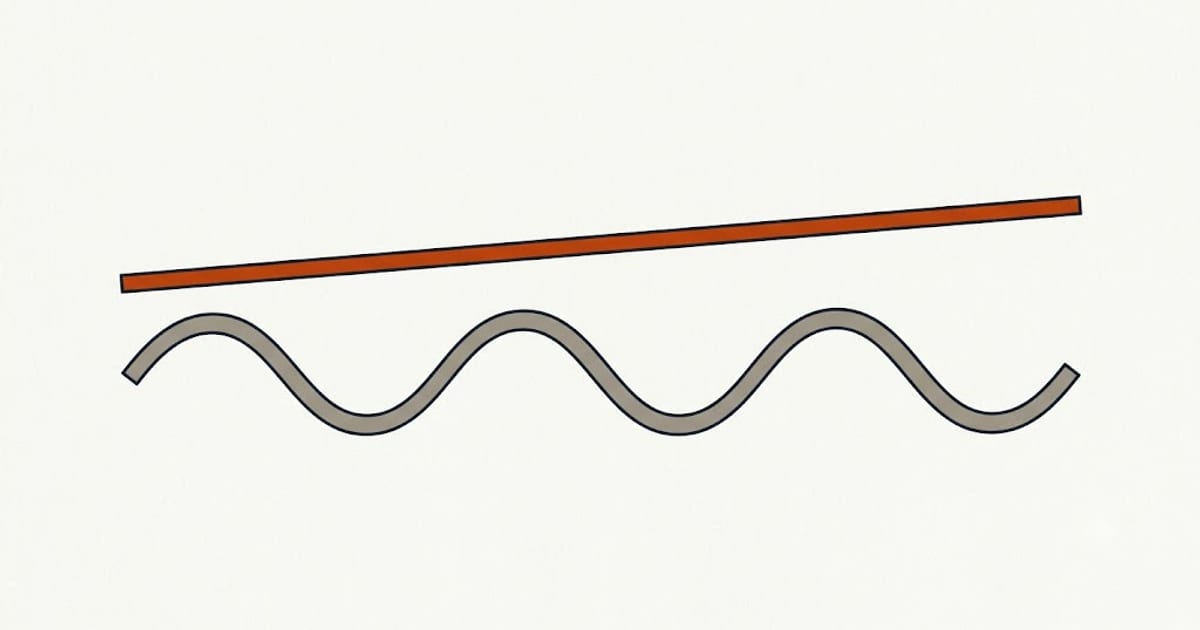 Total Alkalinity — The Number That Decides Whether pH Stays Put
People chase pH and never fix the reason it moves. The reason is almost always alkalinity, and it is one adjustment away.
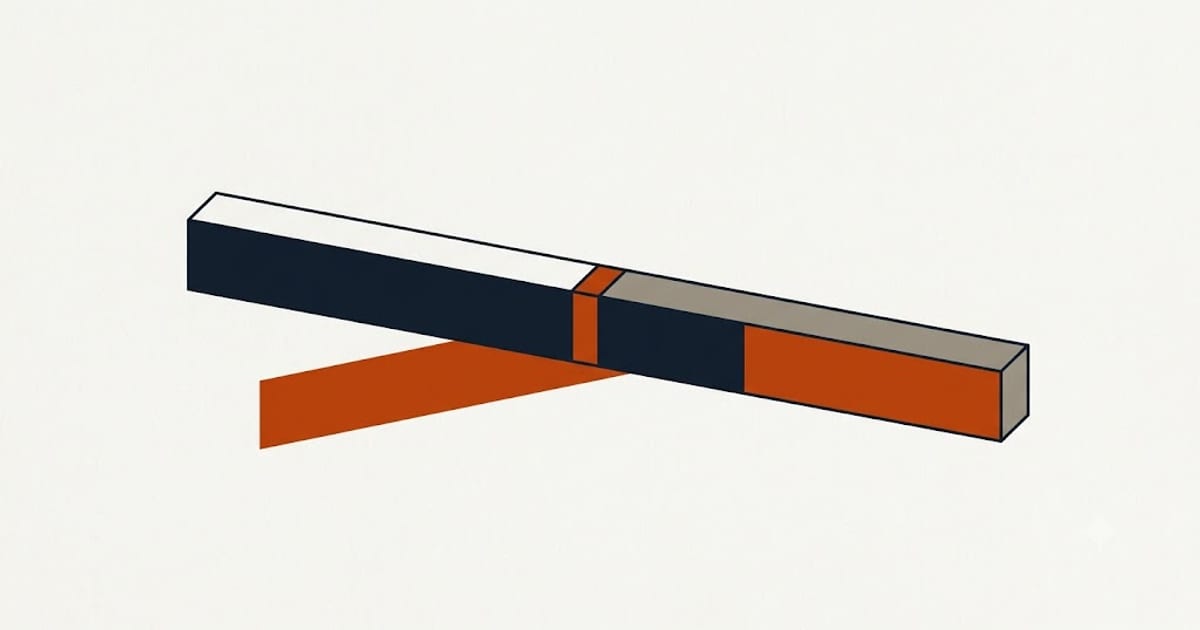 Calcium Hardness — Water That Cannot Get Calcium Takes It From the Pool
A vinyl pool tolerates almost any hardness. A plaster pool with soft water is quietly dissolving, and the damage is not reversible.
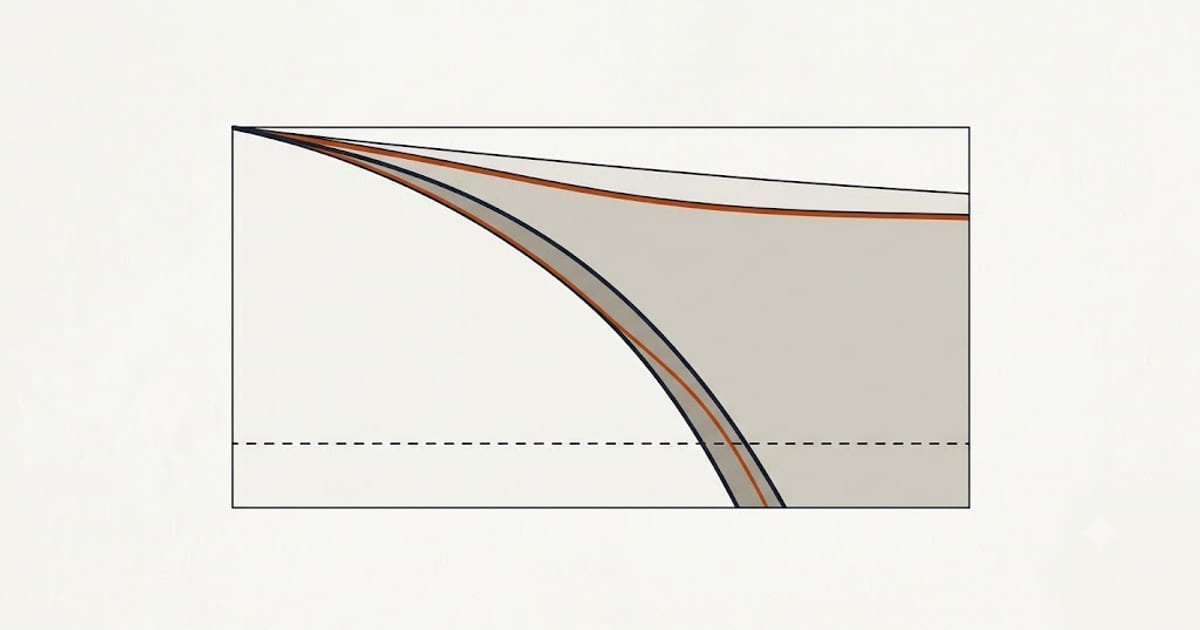 How Much Muriatic Acid to Lower pH, and Why Alkalinity Decides the Answer
The same jug of acid moves pH by a full point in one pool and by a tenth in another. Total alkalinity is the reason, and dosing without it is guesswork.
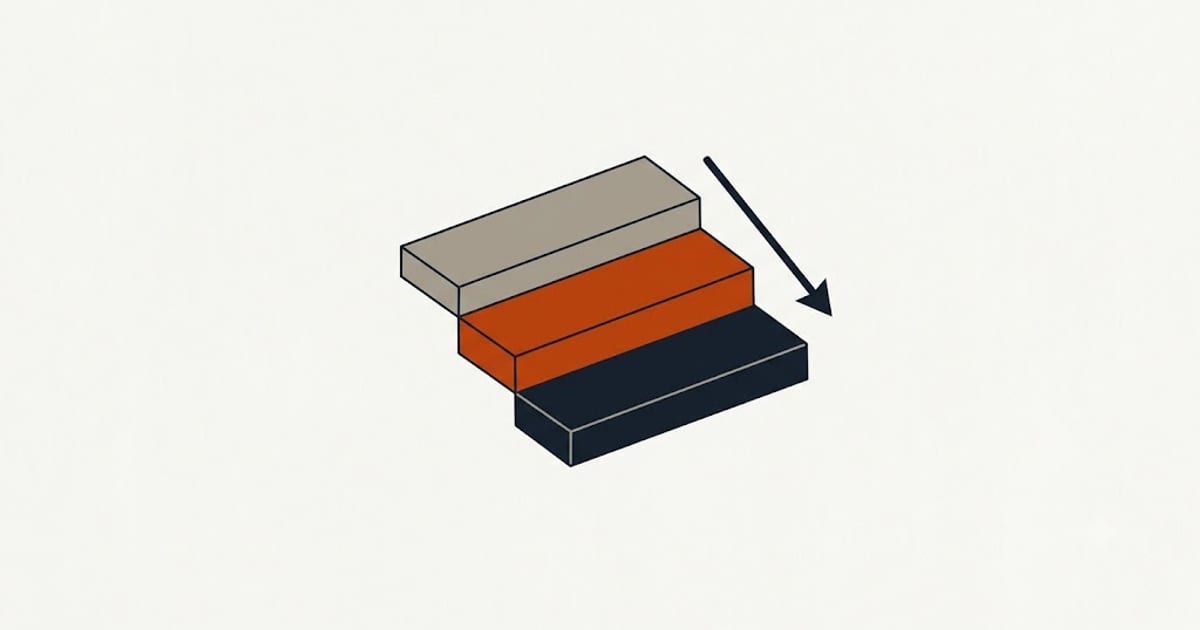 Pool Water Balance: Alkalinity First, Then pH, Then Hardness
Adjust pH while alkalinity is out of range and the alkalinity pulls pH straight back. That is a fortnight of chasing your own tail with a test kit.