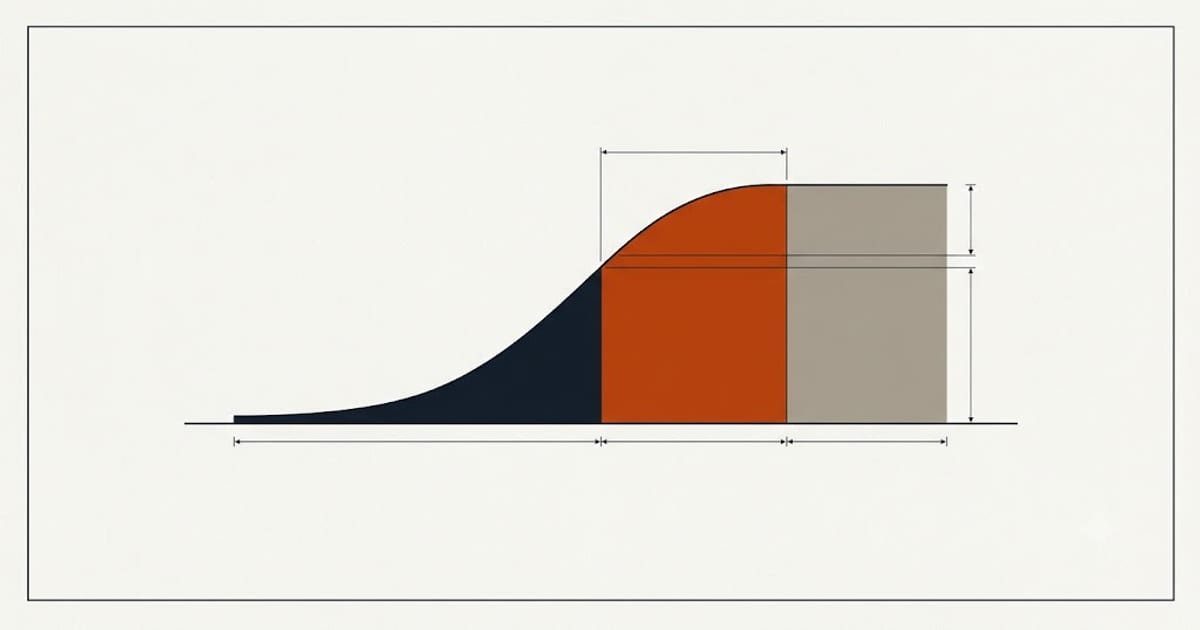
Cyanuric acid protects free chlorine from ultraviolet light. Without it, an outdoor pool loses a large share of its chlorine in a single sunny day. With too much, chlorine is bound so tightly that it stops sanitising effectively at normal levels.
The useful range is narrow and the adjustment is one-directional, which is why the dose deserves care.
The dose
Roughly 13 oz of cyanuric acid per 10,000 gallons raises CYA by about 10 ppm.
Targets in common use:
| Pool type | Target CYA |
|---|---|
| Outdoor, liquid or cal-hypo chlorine | 30–50 ppm |
| Outdoor salt water chlorine generator | 60–80 ppm |
| Indoor pool | 0–20 ppm — there is no sunlight to protect against |
Salt pools run higher because the cell produces chlorine continuously in daylight and the extra protection improves efficiency.
It takes days to show up
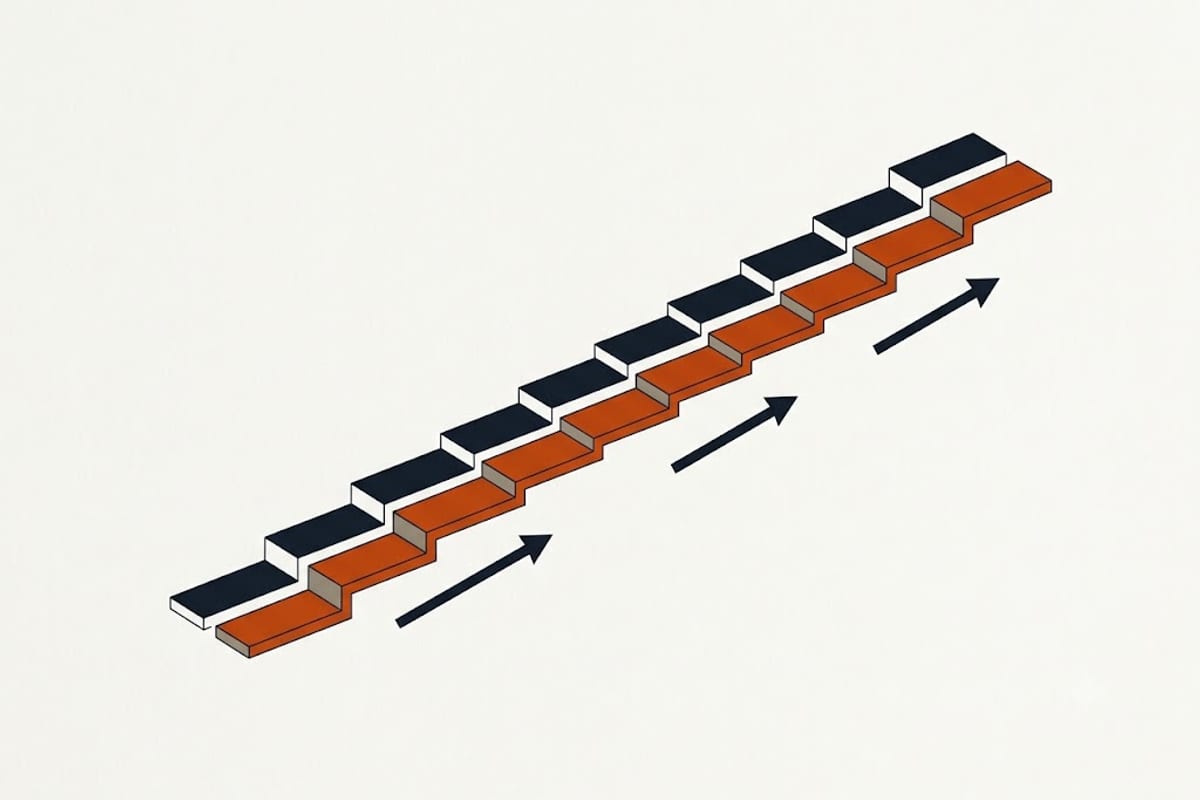
Granular cyanuric acid dissolves slowly — considerably more slowly than any other pool chemical. A dose added on Saturday may not read fully until the following weekend.
This is the trap. Someone adds stabiliser, tests two days later, sees almost no change, and adds more. Both doses eventually dissolve, and the pool ends up at double the intended level.
Add once, then wait a full week before testing. If the reading is still short after a week, dose the difference.
How to add it
The two workable methods:
In the skimmer, in a sock, with the pump running continuously. Do not backwash for several days — the undissolved material sits in the filter and backwashing throws it away. This is the standard approach.
Pre-dissolved in a bucket of warm water, stirred, then poured slowly around the pool with the pump running. Faster, and it avoids the filter entirely.
Do not broadcast granular stabiliser over the surface of a vinyl pool. It settles undissolved on the liner and can bleach or damage it where it sits.
Liquid stabiliser dissolves immediately and reads within a day. It costs considerably more per unit of CYA, and for a pool needing a large correction that difference is real — but for a small top-up it removes the whole waiting problem.
Stabiliser arrives whether you add it or not
Trichlor tablets and dichlor shock are both stabilised chlorine — they contain cyanuric acid and contribute it every time they are used.
A pool sanitised entirely on tablets climbs in CYA all season without anyone adding stabiliser. By late summer it is common to find such a pool at 100 ppm or more, at which point the chlorine reads fine and the water goes green anyway.
If a pool uses tablets, test CYA monthly and expect it to rise. If it is already at target, that is the signal to switch to liquid chlorine or cal-hypo for the rest of the season.
Lowering it takes water
There is no practical chemical that removes cyanuric acid. The options are dilution — drain a portion and refill — or reverse osmosis service, which filters the water on site.
Dilution is proportional: draining and replacing a third of the water drops CYA by roughly a third. That is the entire mechanism, and it is why the dose is worth getting right the first time.
The number to hold it against
Free chlorine has to scale with CYA. A widely used working ratio is around 7.5% of the CYA level as minimum free chlorine — so a pool at 40 ppm CYA wants about 3 ppm free chlorine, and a pool at 100 ppm wants 7.5 ppm.
That relationship is the real reason not to overshoot. High stabiliser does not just waste money; it permanently raises the chlorine level the pool needs in order to stay clear.